
The Influence of Environment on Player Behavior
The ambiance of a casino plays a pivotal role in influencing player behavior and engagement. Bright lights, vivid colors, and unique layouts are all designed to create an exhilarating atmosphere that captivates players’ senses. For instance, the use of bright and flashing lights can evoke excitement, reinforcing the idea of potential wins and creating an almost hypnotic atmosphere that encourages prolonged play. Additionally, players often seek out platforms like australia online casino that enhance their gaming experience with similar captivating environments. By carefully designing the physical space, casinos can make the environment alluring, leading players to lose track of time as they immerse themselves in the gaming experience.
Furthermore, the sounds within a casino contribute significantly to the overall experience. The rhythmic clinking of coins, the celebratory sounds of jackpot wins, and the ambient music create an auditory landscape that can stimulate excitement and joy. Research in behavioral psychology shows that auditory cues can evoke emotional responses that keep players engaged longer. This use of sound not only contributes to a positive atmosphere but also creates a sense of community among players who may share in the excitement of near wins or successful outcomes.
Lastly, the strategic arrangement of gaming machines and tables plays a functional role in maintaining engagement. Casinos often place popular games in visible areas, promoting a sense of accessibility and encouraging players to try new games. The careful positioning of high-stakes tables near lower-stakes options also allows players to observe the action and fosters a fear of missing out, driving them to engage more with the gaming offerings. By meticulously crafting the environment, casinos effectively utilize psychological principles to enhance player engagement.
The Role of Rewards and Incentives
In the world of casinos, the system of rewards and incentives is crucial for sustaining player engagement. Casinos employ a variety of loyalty programs and promotional bonuses designed to entice players back into the venue. These incentives may come in the form of free spins, complimentary drinks, or even exclusive access to high-stakes events. By offering these rewards, casinos tap into the psychological principle of positive reinforcement, where players are more likely to repeat behaviors that lead to pleasurable outcomes.
The concept of variable rewards also plays a significant role in keeping players engaged. This psychological phenomenon occurs when the timing and magnitude of rewards are unpredictable, which is often observed in slot machines. Players are less likely to stop playing when they are unsure of when the next win might occur. This uncertainty creates a thrilling experience, as individuals are continually motivated by the prospect of hitting a jackpot or obtaining a big win. As a result, the very structure of the games is designed to exploit this psychological trait, making it difficult for players to walk away.

Moreover, the concept of loss aversion is also at play. Players tend to prefer avoiding losses over acquiring equivalent gains. Casinos capitalize on this by allowing players to bet continuously, leading them to chase their losses in hopes of winning back what they have spent. This bidding strategy underlines the psychological struggle associated with loss aversion, which in turn keeps players engaged for longer periods as they seek redemption through additional gameplay.
The Impact of Social Interaction
Social interaction within casinos is another psychological tactic that enhances player engagement. Many players enjoy the communal aspect of gaming, which fosters a sense of belonging and shared experience. Whether at a poker table or a slot machine, players often communicate with one another, sharing strategies, and celebrating wins collectively. This social dynamic not only creates an enjoyable atmosphere but also encourages players to stay longer and participate more actively, as they are engaged in a communal activity.
Casinos often encourage this social interaction by organizing events or tournaments. For example, poker tournaments can attract significant crowds, creating an electrifying environment that keeps players invested in the experience. Observing others participate can further inspire individuals to engage in similar activities, bolstering their investment in the casino’s offerings. This is particularly effective in settings where players feel connected and energized by the excitement of others around them.
Furthermore, the role of dealers and staff cannot be overlooked. Friendly and engaging staff members contribute to an inviting atmosphere, enhancing the overall experience for players. Personalized interactions, such as remembering a player’s name or favorite game, can create a lasting bond that encourages return visits. The psychological effects of these interactions can lead players to associate positive emotions with the casino, reinforcing their desire to engage in gaming activities repeatedly.
The Psychology of Game Design
Game design is central to how casinos leverage psychology to maintain player interest. Developers meticulously craft games to ensure they are not only enjoyable but also psychologically addictive. The use of themes, storylines, and immersive graphics draws players in, creating a compelling narrative that prompts continued play. The more players feel connected to a game, the greater their investment, increasing the likelihood of prolonged engagement.
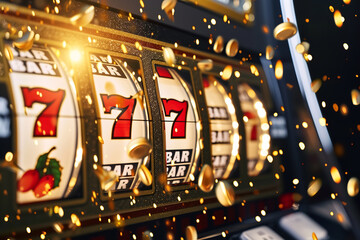
Additionally, the design of game mechanics plays a critical role. Most games incorporate features that promote excitement, such as bonus rounds, multipliers, and progressive jackpots. These are not merely random additions; they are strategically integrated to keep players engaged and on the edge of their seats. Each feature provides instant gratification or a surge of excitement, compelling players to continue spinning the reels or playing the hand in hopes of activating these thrilling elements.
The pacing of games is designed to manipulate time perception as well. Quick rounds and rapid outcomes can create a sense of urgency, thus keeping players strapped to their seats. As time seems to fly by, players become unaware of how long they have been playing, further enhancing their engagement. This psychological manipulation of time encourages longer play sessions, which are beneficial for both the player and the casino, creating a win-win scenario.
Understanding the Casino Experience
Understanding how casinos employ psychological principles is crucial for both players and those interested in responsible gaming. The environment, rewards, social interactions, and game design work in tandem to create an immersive experience that can be captivating. Recognizing these elements can empower players to make more informed choices about their gaming habits and establish healthy boundaries to enjoy the entertainment without negative repercussions.
It is essential to approach gaming with a mindful perspective, being aware of the psychological tactics that keep players engaged. This understanding can lead to a more balanced approach to gaming, recognizing when enjoyment turns into compulsive behavior. Casinos have a responsibility to promote responsible gaming practices, ensuring that players remain aware and informed about the psychological influences at play.
As more research emerges about the intersection of psychology and gambling, players can utilize this knowledge to engage with casinos in a way that prioritizes enjoyment over compulsion. By fostering awareness and understanding, players can continue to enjoy gaming experiences while safeguarding their well-being. It’s all about finding a balance that allows players to have fun while being conscious of the psychological dynamics in play.